OM
Why Oman · Geography · Industry · Trade

The gateway
between three continents.
Open water.
Open trade.

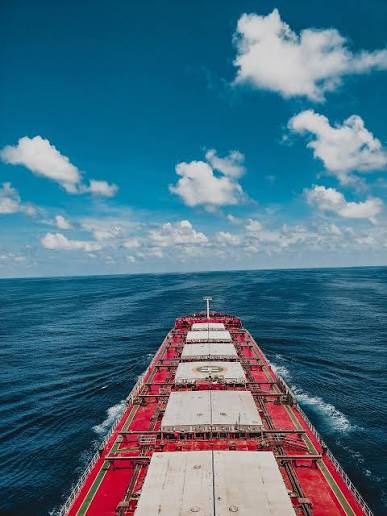
Oman faces the Arabian Sea and the Indian Ocean directly. Its main ports sit outside the Strait of Hormuz, a few sailing days from India, East Africa and the rest of the Gulf. That is why MADAR is based here — and why manufacturers, importers and exporters route their trade through Oman.

01
Location
02
Ports
03
Industry
04
Agreements
Pexels reyyan
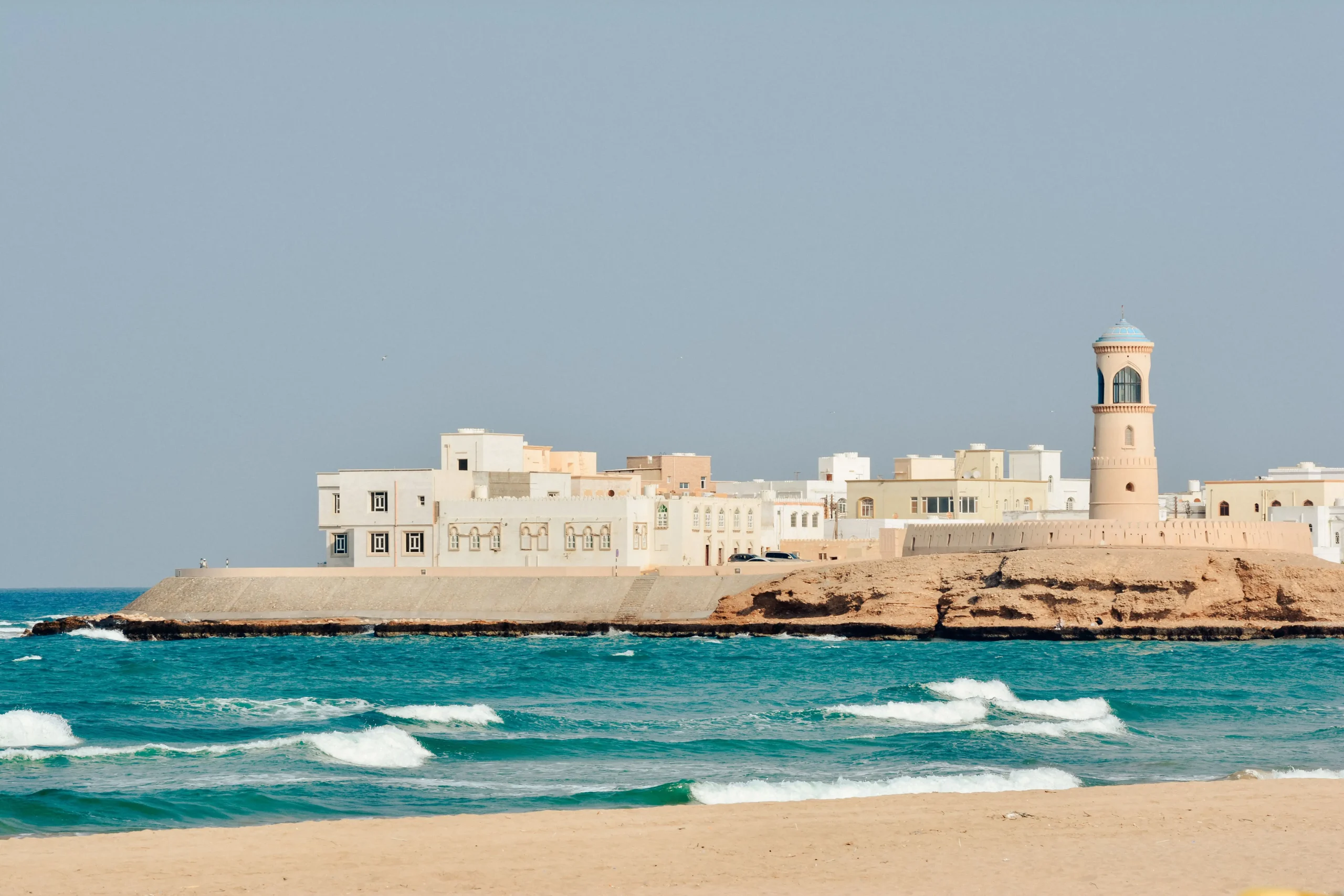
Arabian Sea coast, Sultanate of Oman
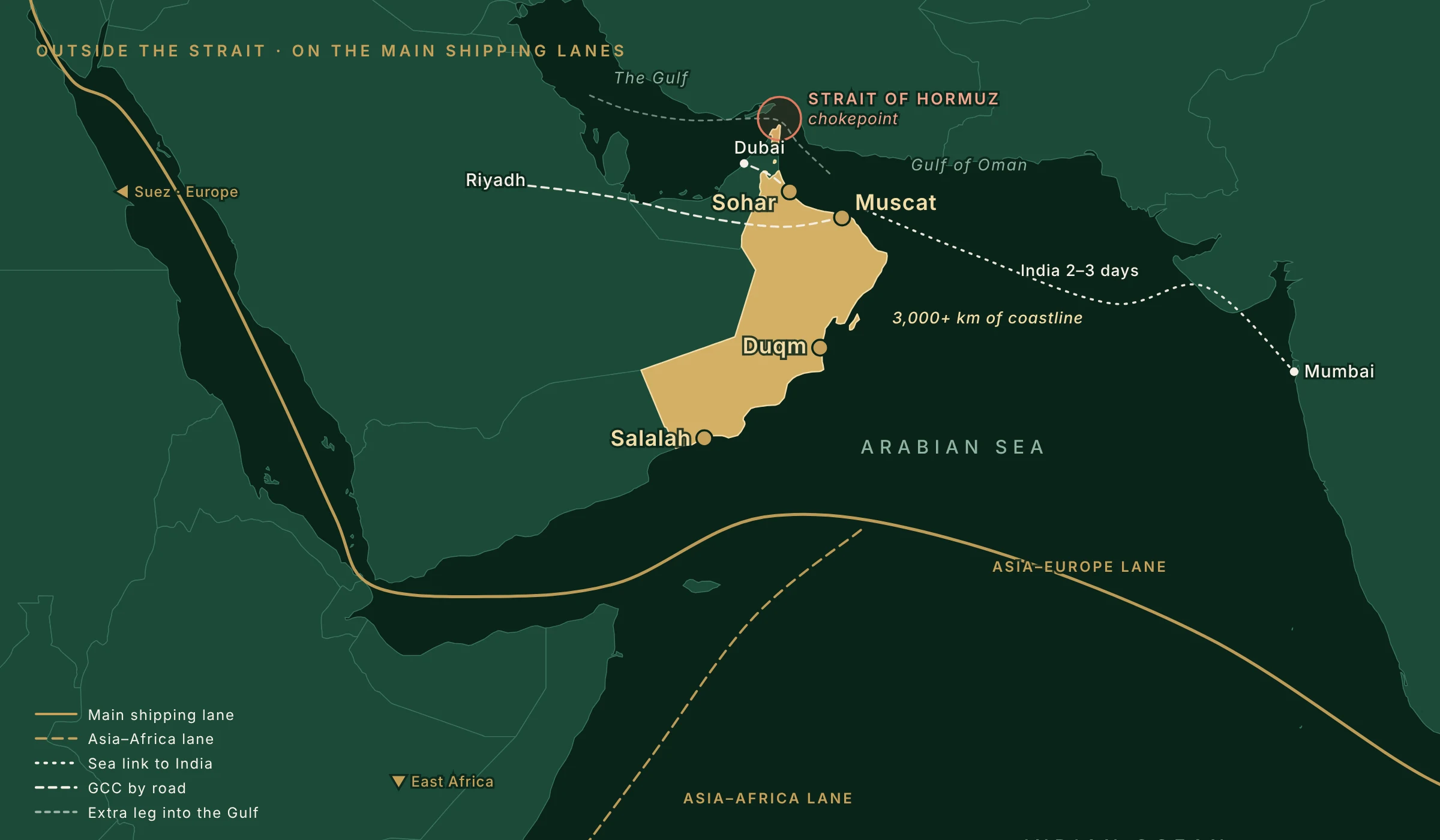
Oman outside the strait wide
01 — Location

Outside the Strait.
On the main shipping lanes.

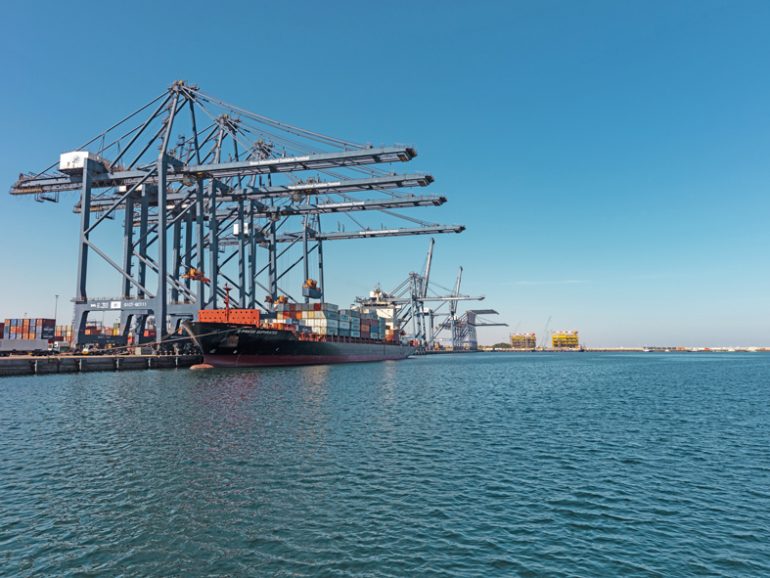
Oman has more than 3,000 km of coastline on the Gulf of Oman, the Arabian Sea and the Indian Ocean. Sohar, Duqm and Salalah all lie outside the Strait of Hormuz, so cargo avoids the chokepoint and the extra sailing time into the Gulf. The Asia–Europe and Asia–Africa shipping lanes pass close to Salalah, and India’s west coast is about two to three days’ sailing from Muscat. From Oman, a supplier can reach the GCC by road and the Indian Ocean rim by sea.

GCC by roadIndia 2–3 days by seaEast AfricaRed Sea & EuropeCentral AsiaIndian Ocean rim
02 — Ports & Free Zones

Three deep-water ports.
Each with its own free zone.

Why Oman: Trade Hub for GCC, Africa & Asia — Ports, Free Zones, Industry | MADAR
01
Sohar Port & Freezone — North

Oman’s industrial
port.

On the Gulf of Oman near the UAE border, about 230 km from Muscat and linked by road to the GCC. Home to petrochemicals (polyethylene and polypropylene), methanol, urea, aluminium, steel, chlor-alkali and a refinery. Bulk liquid, dry bulk and container terminals; free zone for manufacturing and trading.

Explore Sohar Port & Freezone — North →
Duqm Special Economic Zone — Centre

The new industrial
city on the Arabian Sea.

A special economic zone built around a deep-water port, a dry dock and the 230,000 barrels-per-day Duqm Refinery, which produces diesel, jet fuel, naphtha, LPG, sulfur and petroleum coke. Land, utilities and a long coastline for heavy industry, storage and future green-hydrogen projects.

Explore Duqm Special Economic Zone — Centre →
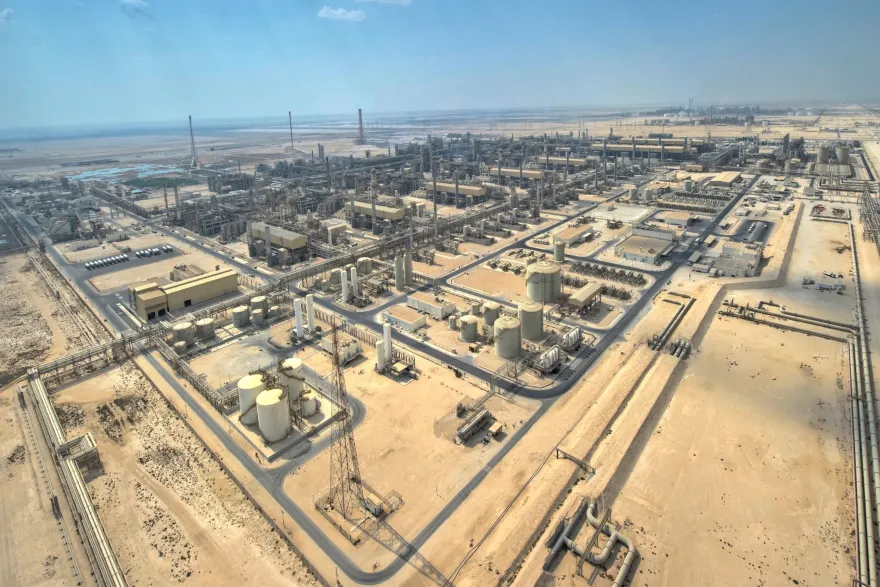
RAS LAFFAN 01
02
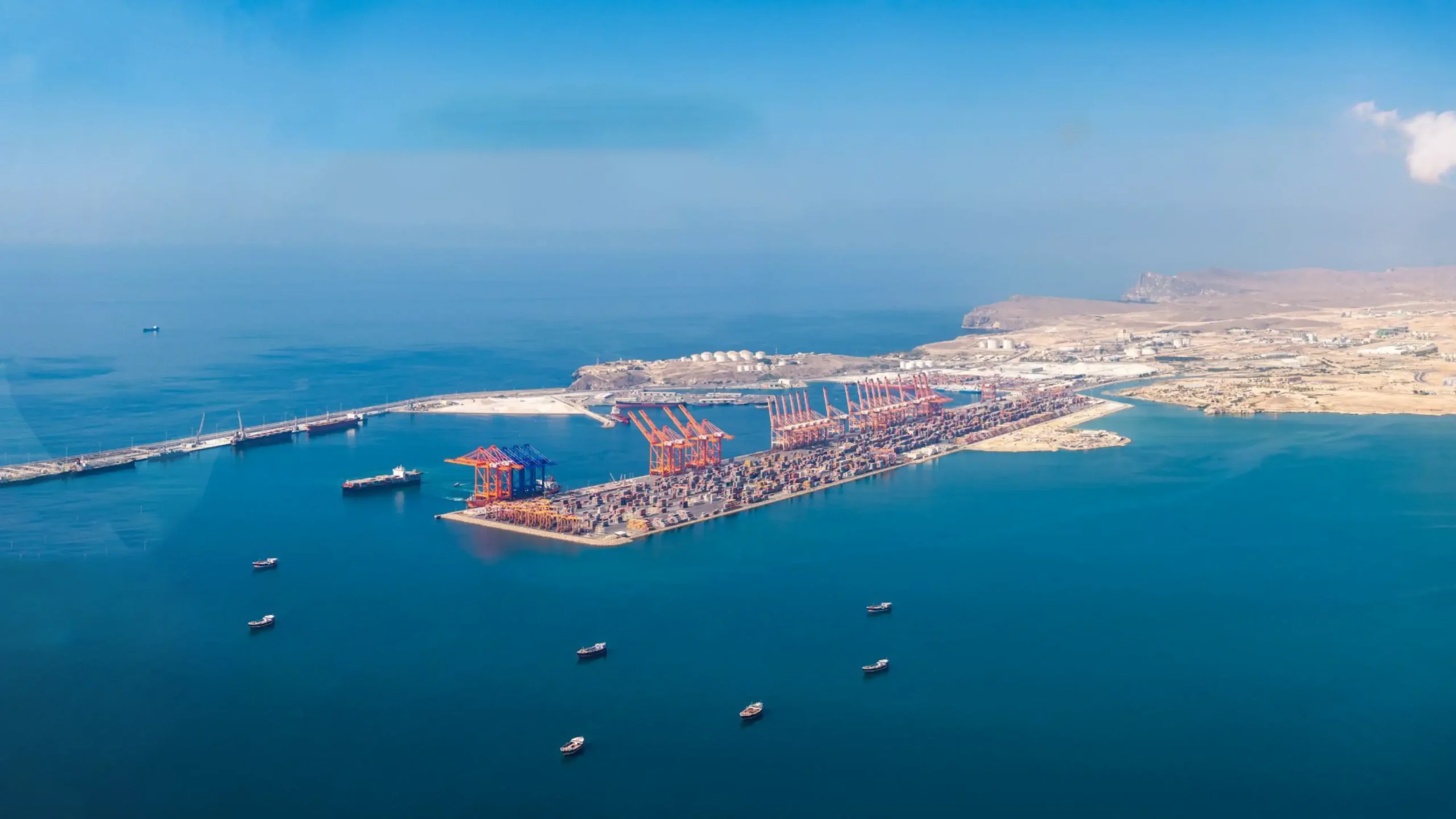
Port of salalah josh
03
Port of Salalah & Salalah Free Zone — South

A transshipment hub
on the Asia–Europe lane.

One of the Indian Ocean’s main container transshipment ports, connected to hundreds of ports worldwide. A record 26.4 million tonnes of general cargo in 2025, led by gypsum and limestone. The free zone hosts methanol, ammonia and LPG production and food and logistics businesses.

Explore Port of Salalah & Salalah Free Zone — South →
03 — What Oman Produces

World-scale industry,
ready to export.

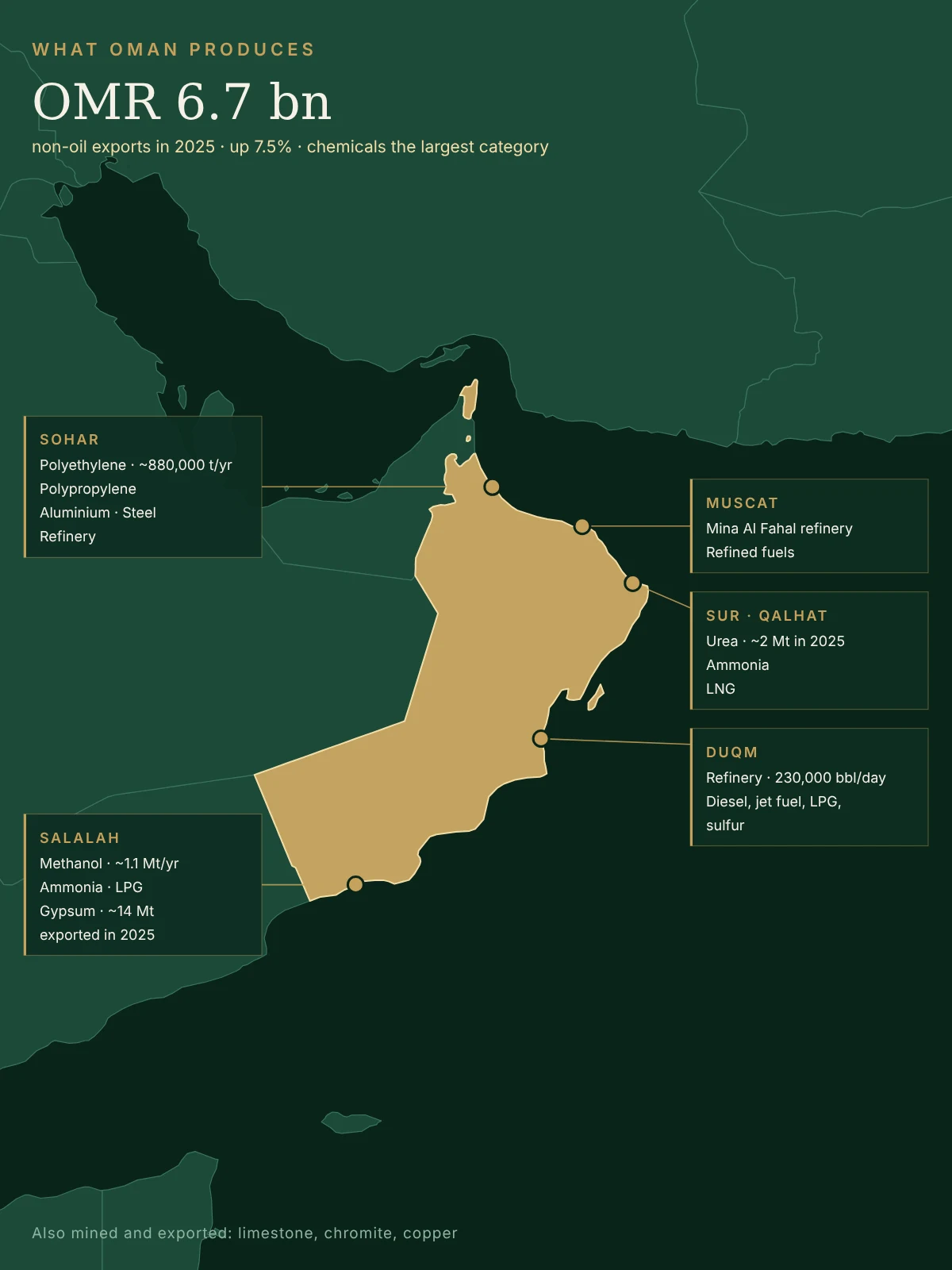
Oman turns its gas, oil and minerals into exportable products. Chemical products were the largest category of Oman’s non-oil exports in 2025, followed by metals, plastics and machinery. Non-oil exports reached about OMR 6.7 billion (around USD 17 billion), up 7.5% on 2024.

Methanol — about 1.1 million t/yr (OQ, Salalah)
Urea — 1.65 million t/yr nameplate, about 2 million t produced in 2025 (OMIFCO, Sur)
Ammonia — OMIFCO, Sur, plus OQ’s new plant in Salalah
Polyethylene — about 880,000 t/yr (Liwa Plastics, Sohar)
Polypropylene — Sohar
Refined fuels, LPG, sulfur — Duqm, Sohar and Mina Al Fahal refineries
LNG — Qalhat, Sur
Aluminium and steel — Sohar
Gypsum — about 14 million t exported in 2025, Dhofar
Limestone, chromite and copper
What oman produces map
Why Oman: Trade Hub for GCC, Africa & Asia — Ports, Free Zones, Industry | MADAR
04 — Exports

What leaves Oman.

Chemicals, fertilizers, polymers, metals, gypsum and minerals, fish and dates — main buyers include the UAE, Saudi Arabia, India and the USA.

Why Oman: Trade Hub for GCC, Africa & Asia — Ports, Free Zones, Industry | MADAR
05 — Imports & Re-exports

What comes in, and moves on.

Machinery, vehicles, building materials, food and consumer goods. Re-exports grew about 20% in 2025 to over OMR 2 billion.

Why Oman: Trade Hub for GCC, Africa & Asia — Ports, Free Zones, Industry | MADAR
06 — Container Traffic

Ports growing every year.

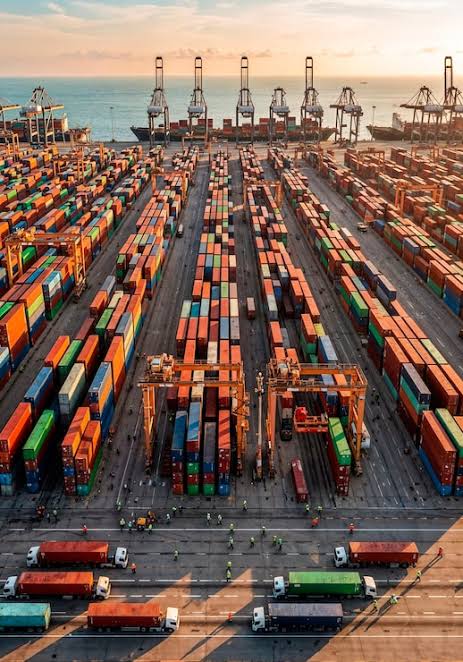
Sohar, Duqm and Salalah handled about 2.43 million TEU in the first half of 2025 alone, up 11.7% on the year before.

07 — Trade Agreements

Preferential access
to key markets.

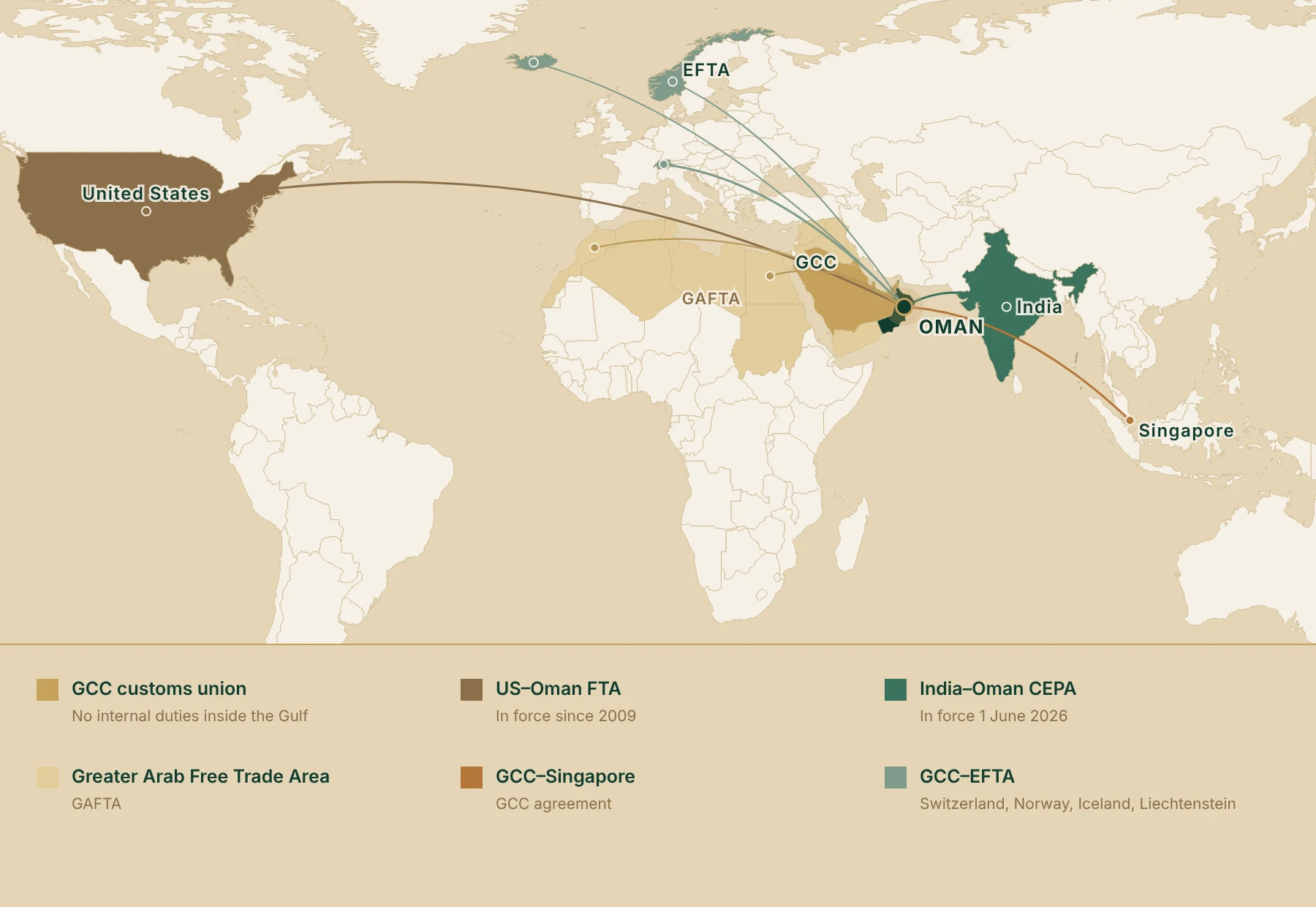
Oman is part of the GCC customs union, so goods move inside the Gulf without internal duties. The US–Oman Free Trade Agreement (in force since 2009) gives duty-free access to the United States for qualifying goods. The India–Oman Comprehensive Economic Partnership Agreement came into force on 1 June 2026: Oman applies nil duty on chemicals, plastics, machinery and many other Indian goods from day one, and India cuts or removes duty on the large majority of imports from Oman. Oman is also a member of the Greater Arab Free Trade Area and the GCC’s agreements with Singapore and EFTA.

GCC customs unionUS–Oman FTAIndia–Oman CEPAGAFTAGCC–SingaporeGCC–EFTA
Oman trade agreements map
08 — Doing Business

Simple rules
for foreign
companies

01
100% foreign ownership

Allowed in most activities under the Foreign Capital Investment Law.

02
Corporate tax 15%

Flat rate; no personal income tax.

03
VAT 5%

Among the lowest in the region; exports are zero-rated.

04
Free-zone incentives

Customs-duty exemptions and long tax holidays in Sohar, Salalah, Al Mazunah and Duqm.

05
Industrial estates

Ready plots and utilities through Madayn estates across the country.

06
Stable currency

The Omani rial is pegged to the US dollar.

— WHY MADAR IS IN OMAN —
“We chose Oman because
the routes start here.”

From Muscat, MADAR connects producers in Asia and the Middle East with buyers in the Gulf, Africa and beyond — using Oman’s ports, free zones and trade agreements to cut cost and time for our partners.

01Sohar
02Duqm
03Salalah
04Muscat
05Sur
06GCC
07India
08Pakistan
09East Africa
10Red Sea
11Central Asia
12Europe
Contact
Route your trade
through Oman.
Madar International Pioneering Investment
Muscat, Sultanate of Oman
Market Entry · Free-Zone Storage · Re-export · Import · Export
Business Enquiry →
Contact usEmailWhatsApp